Iowa residents face a robocall crisis, with advanced technologies and legal intervention needed to protect privacy. A lawyer for robocall laws in Iowa advocates stricter regulations, guides best practices, and holds call centers accountable. Solutions include machine learning algorithms, enhanced telecom services, updated privacy settings, consulting legal experts, and reporting suspicious calls. These efforts combine technological tools and consumer awareness to regain control over phone lines, ensuring a safer communications environment.
With the proliferation of robocalls, consumer privacy has become a pressing issue across the nation, particularly in Iowa. These automated calls, often unwanted and intrusive, have led to increased frustration among residents. The deluge of scam and marketing calls not only wastes people’s time but also poses risks to personal information security. To combat this growing problem, innovative solutions like leading robocall blockers are emerging. This article explores how these advanced tools enhance privacy protections for Iowans, offering a practical approach to mitigating the nuisance and potential dangers posed by excessive robocalls, with insights from legal experts specializing in robocall laws Iowa.
Iowa's Robocall Problem: Unveiling the Scope

Iowa has long grappled with an incessant robocall problem, posing a significant challenge to residents’ privacy and peace of mind. These automated calls, often political or commercial in nature, have flooded Iowa’s phone lines, leading to frustration and uncertainty among citizens. According to recent studies, Iowa ranks among the states with the highest volumes of robocalls, with an average of 3-4 unwanted calls per day for many residents. This issue has prompted concerned Iowans to seek solutions, especially as these calls can be intrusive and often convey misleading or deceptive messages.
The scope of the problem is evident when considering the impact on individuals and businesses alike. Many Iowa residents have reported receiving calls from unknown numbers, some disguised as local area codes, which can be particularly unsettling. For instance, a 2022 survey by a leading consumer advocacy group revealed that over 75% of Iowans had experienced robocalls offering low-interest loans or political campaign updates. Moreover, these calls can disrupt work and personal lives, with some individuals reporting financial losses due to scams masquerading as legitimate offers. This has prompted a growing demand for effective solutions, including robust robocall blocking technology and legal recourse for victims.
Addressing this issue requires a multi-faceted approach. While consumer-grade robocall blockers can provide some relief, they often fall short of stopping the most sophisticated scams. Here, a lawyer for robocall laws in Iowa plays a pivotal role in advocating for stricter regulations and enforcement. By staying abreast of evolving legal landscapes, these legal professionals can guide both businesses and individuals on best practices to mitigate robocalls. They also work towards holding call centers and telemarketing companies accountable for illegal or nuisance calls, ensuring that Iowans enjoy the privacy they deserve.
Legal Action: The Role of a Lawyer for Robocall

In recent years, Iowa has faced a significant challenge with intrusive robocalls, leading many residents to seek solutions for phone privacy protection. Legal action plays a pivotal role in combating this issue, and one crucial step is engaging a specialized lawyer for robocall in Iowa. These legal experts possess an in-depth understanding of the state’s consumer protection laws, enabling them to navigate complex regulations effectively.
Iowa residents have witnessed a surge in unwanted calls from political organizations, telemarketers, and fraudulent schemes, prompting increased concern over personal data security. A lawyer for robocall can provide strategic guidance on how to file complaints with regulatory bodies like the Federal Communications Commission (FCC). This not only helps deter violators but also contributes to a broader effort to improve phone privacy across the state. For instance, successful legal actions against telemarketers have led to substantial fines and changes in industry practices, offering a powerful disincentive for future violations.
Additionally, these lawyers offer valuable insights into emerging technologies aimed at blocking robocalls. They stay abreast of advancements in artificial intelligence (AI) and machine learning algorithms that identify and filter out unwanted calls. By utilizing their expertise, Iowa residents can implement robust solutions tailored to their needs. Engaging legal counsel also empowers individuals to understand their rights under state laws, encouraging proactive measures to protect personal information from unauthorized access or misuse.
Implementing Solutions: Best Practices for Protection
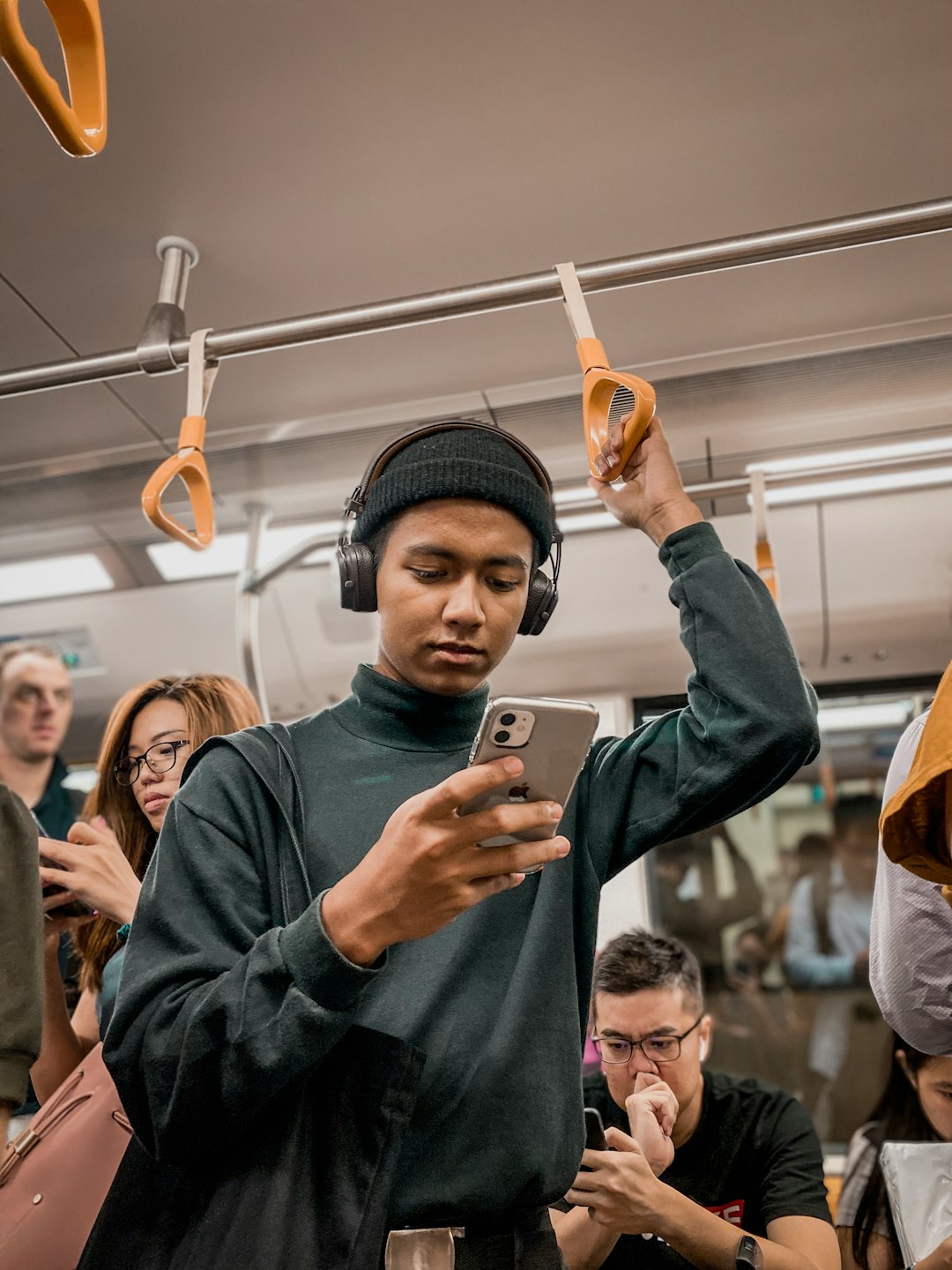
In response to the growing menace of robocalls, Iowa has taken significant steps to enhance phone privacy through innovative solutions. One prominent development is the adoption of cutting-edge robocall blocking technology, which has shown promising results in protecting residents from unwanted and fraudulent calls. This shift towards robust protection parallels a nationwide trend, underscoring the urgency of addressing this persistent issue.
Implementing effective solutions requires a multi-faceted approach, beginning with leveraging advanced call screening and blocking software. Consumers should consider investing in reputable robocall blockers that utilize machine learning algorithms to identify and block suspicious calls. For instance, a study by the Federal Trade Commission (FTC) revealed that robocall blocking apps can reduce unwanted calls by up to 70%. Additionally, telecom providers are introducing enhanced call filtering features as part of their services, further fortifying consumer defenses.
A crucial aspect of best practices involves proactive measures taken by individuals. Iowans should regularly review and update privacy settings on their phones and home security systems, ensuring that only authorized numbers can reach them. Consulting with a lawyer for robocall laws in Iowa can offer valuable insights into navigating legal protections and staying ahead of evolving regulatory landscapes. Additionally, reporting suspicious calls to relevant authorities provides essential data for tracking and combating robocall campaigns. By combining technological solutions and informed consumer behavior, Iowans can reclaim control over their phone lines, fostering a safer and more secure communications environment.
Enhanced Privacy: A New Era in Iowa

Iowa residents can now breathe a sigh of relief thanks to the implementation of leading robocall blocker technologies, marking a significant advancement in phone privacy. This shift has been catalyzed by the growing concern over intrusive automated calls, prompting innovative solutions and legislative actions. The enhanced privacy measures aim to safeguard Iowans from unwanted and often fraudulent robocalls, which have become a pervasive nuisance across the state.
The new era of privacy protection is underpinned by advanced call blocking systems that utilize sophisticated algorithms and machine learning to identify and filter out malicious calls. These technologies are designed to adapt and learn from new patterns, ensuring a more comprehensive defense against evolving robocall tactics. For instance, many Iowans have reported a substantial decrease in unsolicited marketing calls since the rollout of these blockers, indicating their effectiveness. Such advancements not only offer peace of mind but also empower individuals to take control of their communication preferences.
Moreover, recent legislative efforts in Iowa have further fortified phone privacy rights. A lawyer for robocall laws in Iowa highlights the significance of state-level regulations in combating this persistent issue. By enacting stricter guidelines and penalties for violators, Iowa joins several other states in creating a more robust legal framework to protect consumers. This comprehensive approach ensures that not only are robocalls blocked but also that companies adhere to ethical practices in telemarketing activities. As technology continues to evolve, so too will privacy protections, ensuring Iowans remain at the forefront of safeguarding their digital well-being.