Iowa's robocall laws require businesses to consult specialists like a lawyer for robocall laws in Iowa to navigate complex rules on Do Not Call registries and area code usage, preventing legal issues and enhancing consumer trust. These experts guide residents through regulations, identify fraudulent calls, ensure blocking apps update with known scammer numbers, and protect privacy. With growing robocall problems, Iowans benefit from tailored blocking strategies advised by legal professionals to control their phone lines for meaningful communications.
In today’s digital age, Iowa residents face a persistent challenge from unwanted robocalls, posing a significant nuisance and potential safety risk. These automated calls, often from telemarketers or scammers, have led to the need for effective protection measures. The traditional methods are falling short, prompting individuals to seek advanced solutions. This article delves into the critical issue of robocall inundation and introduces an innovative approach: an app designed to block these calls, offering a robust defense against unwanted intrusions. With expert insights from legal professionals specializing in robocall laws in Iowa, this guide provides valuable strategies for reclaiming control over your phone lines.
Understanding Iowa's Area Code Regulations for Robocalls

Iowa’s area code regulations regarding robocalls are designed to protect residents from unwanted and fraudulent calls. The state has specific laws and guidelines that govern telemarketing practices, including restrictions on automated phone systems. According to Iowa law, a lawyer for robocall cases can play a crucial role in navigating these complex regulations. These legal experts can guide businesses and individuals on how to comply with the state’s Do Not Call registry and other relevant statutes.
One key aspect is understanding that certain area codes in Iowa are designated for specific purposes. For instance, local numbers beginning with 515 or 319 are often used within the state, while toll-free numbers like 800 series are reserved for long-distance communication. Using these area codes incorrectly for robocalls can lead to legal repercussions. A lawyer specializing in robocall laws Iowa can help clients understand these nuances and ensure their marketing campaigns adhere to local regulations.
Additionally, data from consumer protection agencies reveals a significant number of complaints related to robocalls annually. Many of these involve calls from unknown sources or those using automated messaging. Given the strict interpretation of telemarketing laws in Iowa, businesses must be cautious when employing robocall strategies. By consulting with an attorney focused on this area, companies can implement effective blocking and filtering mechanisms to minimize legal risks and enhance consumer trust.
The Role of a Lawyer in Stopping Unwanted Calls
In the ongoing battle against unwanted robocalls, a lawyer for robocall protection in Iowa plays a pivotal role in empowering residents to reclaim control of their communication channels. With advanced robocall blocking apps becoming commonplace, legal experts are increasingly involved in interpreting and enforcing regulations designed to mitigate these intrusions. For instance, the Telemarketing and Consumer Fraud and Abuse Prevention Act (TCFAP) provides consumers with tools to fight back against unwanted calls, and a skilled lawyer can guide individuals through this legislation’s intricacies.
Lawyers specializing in robocall cases offer several practical strategies. They can assist in identifying legitimate from fraudulent calls, ensuring compliance with do-not-call registries, and pursuing legal action against persistent violators. For example, a recent case in Iowa involved a class-action lawsuit against a company making illegal robocalls, resulting in a substantial settlement. Such successes demonstrate the tangible impact lawyers have in deterring spam callers and securing remedies for affected parties.
Moreover, these legal professionals help navigate the evolving landscape of call blocking technology. As new apps emerge, so do challenges related to privacy and consumer rights. Lawyers stay abreast of court rulings and legislative updates, ensuring that both individuals and businesses utilize legitimate blocking methods. By combining technological expertise with a deep understanding of the law, they foster a robust defense against unwanted calls, making Iowa a safer digital environment for its residents.
Implementing Advanced Robocall Blocking Solutions

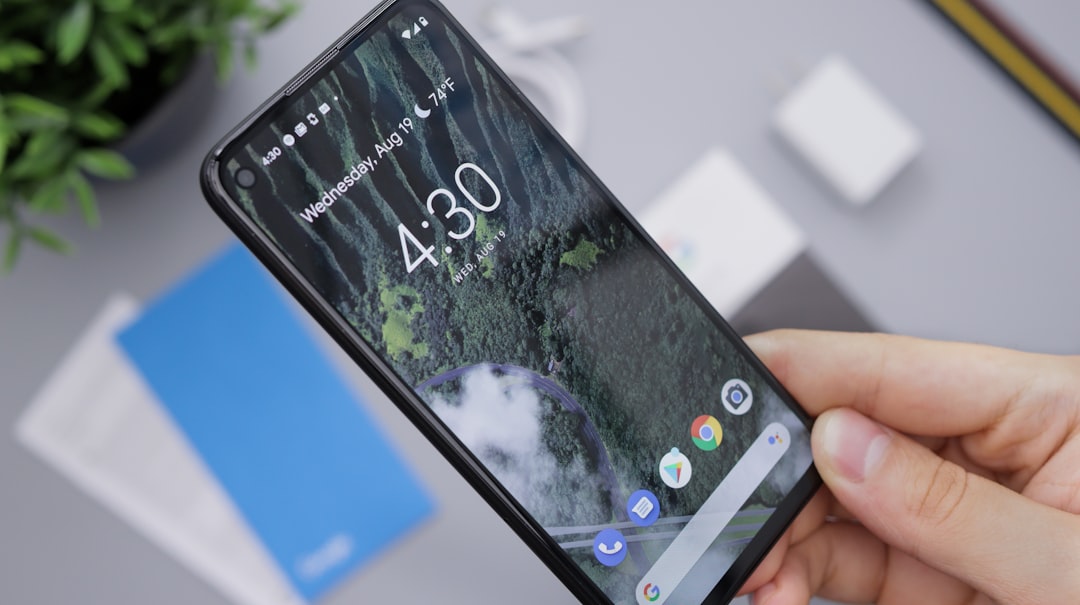
In today’s digital era, Iowa residents face an escalating problem with robocalls—unwanted phone calls from automated systems—that can range from sales pitches to fraudulent schemes. To combat this, implementing advanced robocall blocking solutions is crucial. One effective approach involves utilizing specialized apps designed to identify and block these nuisance calls at the network level. These applications leverage sophisticated algorithms to analyze call patterns and content, ensuring that legitimate phone numbers are not disrupted while effectively silencing spam calls.
A key aspect of successful robocall protection is staying ahead of evolving technologies used by scammers. Advanced blocking apps continuously update their databases with new call patterns and known scammer numbers, often sourced from regulatory bodies and community reports. For instance, the Federal Communications Commission (FCC) maintains a Do Not Call Registry, which can be integrated into these apps to provide additional layers of protection for Iowa residents. By embracing such dynamic solutions, individuals can significantly reduce the volume of unwanted calls they receive, fostering a safer and more secure communication environment.
Moreover, consulting with a lawyer for robocall laws in Iowa is advisable for those seeking comprehensive protection. Legal experts can guide users on navigating complex regulations surrounding robocalls and help them understand their rights under state and federal laws. They can also advise on the most effective blocking strategies tailored to individual needs. With the right combination of technology and legal counsel, Iowans can take control of their phone lines, ensuring that their privacy is respected while engaging in meaningful communications.