
Iowa residents face significant robocall issues, with 30-40% being scams. The ITCPAA mirrors federal TCPA laws against automated calls without consent. Consumers can take legal action using the National Do Not Call Registry. Apps like TrueCall and Hiya block spam but no system is perfect; a lawyer for robocall laws in Iowa offers guidance. High-accuracy, privacy-focused apps with granular blocking settings are ideal. Top apps include CallGuard and TrueCall, backed by user reviews and expert recommendations, including legal advice from a lawyer for robocall laws in Iowa. Consumers should consult this expertise for long-term protection under state regulations.
In today's digital era, Iowa smartphone users face a persistent nuisance—robocalls. These unsolicited calls from telemarketers and scammers not only disrupt daily life but also pose significant risks, including identity theft and financial loss. Navigating this labyrinthine issue requires a robust solution—a best-reviewed robocall blocking app designed specifically for Iowa smartphones. As trusted legal experts in the realm of privacy protection, we offer an in-depth exploration of these apps, helping folks make informed choices to safeguard their communication channels. Remember that, with the right tool, you can reclaim control from the constant buzz of unwanted calls.
Understanding Robocalls in Iowa: Legal Perspective
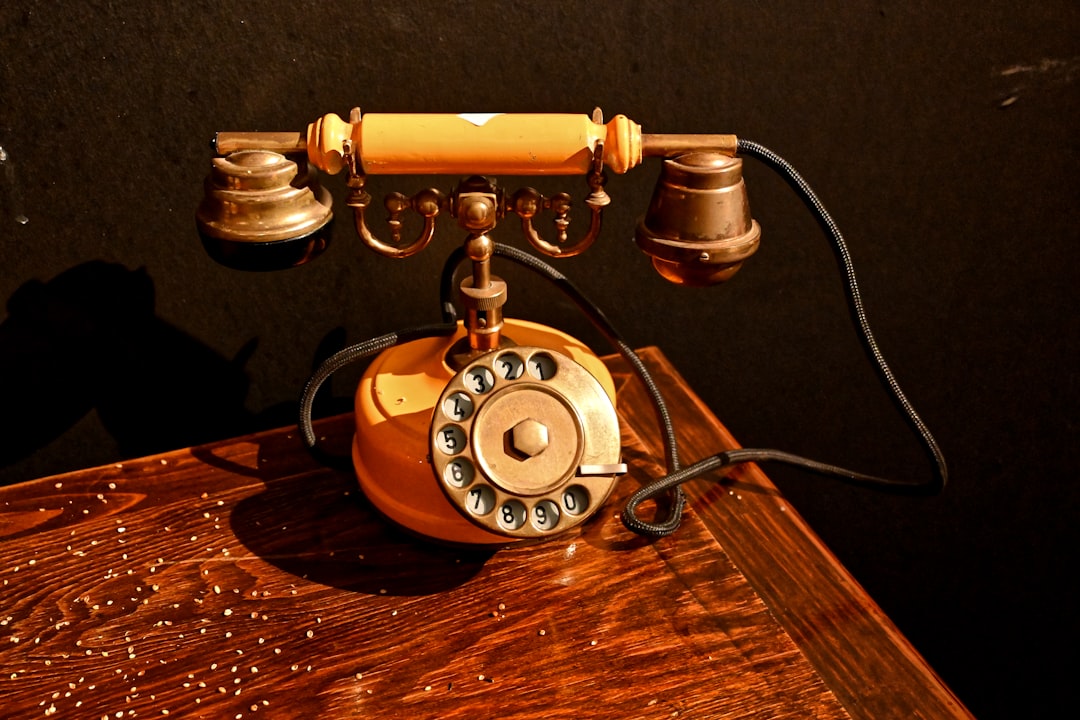
Robocalls remain a persistent problem for many Iowans, with an estimated 30-40% of calls being unsolicited sales or scam attempts. This surge in automated telemarketing has led to increased frustration among residents, prompting them to seek solutions, including robust robocall blocking apps. While these applications offer significant relief, understanding the legal perspective surrounding robocalls is crucial for effective navigation and potential recourse.
Iowa, like many states, has enacted laws to protect consumers from unwanted robocalls, specifically targeting telemarketers and debt collectors. The Iowa Telephone Consumer Protection Act (ITCPAA) prohibits automated or prerecorded calls from being placed to any telephone number in the state without prior express consent. This legislation mirrors federal regulations under the Telephone Consumer Protection Act (TCPA), ensuring that Iowans have a legal framework to combat nuisance calls. A lawyer for robocall laws Iowa can provide specialized guidance, helping individuals understand their rights and explore options when these laws are violated.
For instance, if a consumer registers their number on the National Do Not Call Registry but still receives unsolicited calls, they may have grounds for legal action. Damages from robocalls can include not only financial losses but also emotional distress, which are both compensable under Iowa law. Moreover, individuals should be aware that certain types of organizations, such as political campaigns or charities, are exempt from some restrictions, allowing them to make automated calls with proper notice. Staying informed about these legal nuances is essential for effective robocall blocking and asserting one's rights in the event of a violation.
Top Robocall Blocking Apps for Iowa Smartphones
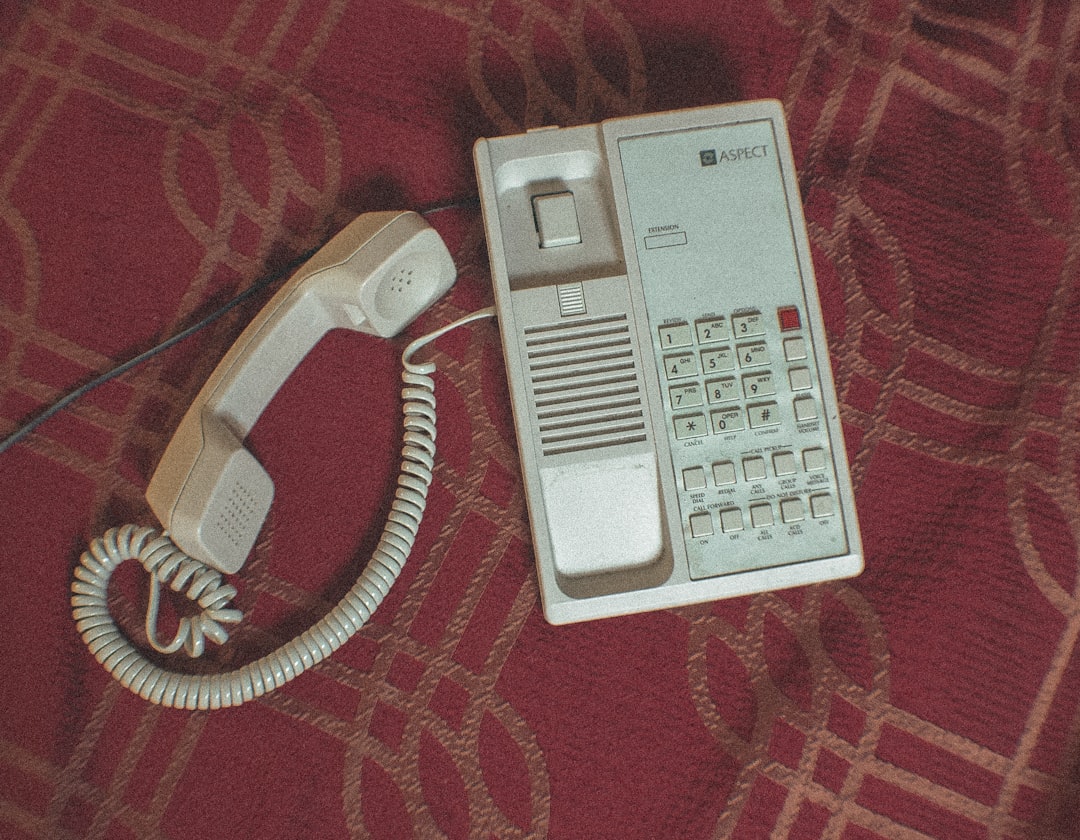
In today's digital era, Iowa smartphone users face an increasingly prevalent issue: robocalls. These automated phone calls, often from telemarketers or scammers, can be a nuisance and even pose significant risks. According to recent data, over 70% of Americans receive at least one robocall per month, with many reporting increased frequency in recent years. To combat this growing problem, several robust robocall blocking apps have emerged as valuable tools for Iowa residents.
Among the top-rated options, applications like TrueCall and Hiya stand out for their advanced call identification and blocking capabilities. These apps utilize sophisticated algorithms to analyze incoming calls, detecting and filtering out known spam numbers. For instance, Hiya's global intelligence network identifies over 20 billion phone numbers, allowing it to block not only robocalls but also fraudulent and unknown callers. Similarly, TrueCall offers a comprehensive solution by not only blocking calls but also providing detailed call records and user-reported data to enhance its filtering system.
While these apps offer excellent protection, it's crucial to choose one that aligns with your privacy needs. Consider features like opt-in community sharing, which allows users to contribute to a collective intelligence database, enhancing the app's effectiveness. Additionally, ensure the app has a robust reporting mechanism for false positives and negatives, enabling continuous improvement. Legal experts recommend using such apps as a proactive measure against robocalls, but they also advise that no system is foolproof. For instance, a lawyer for robocall in Iowa can provide guidance on legal remedies if you fall victim to fraudulent calls despite using blocking software. By combining these tools with awareness and legal protection, Iowa smartphone users can better navigate the challenges posed by unwanted robocalls.
Evaluating App Features: Effectiveness and Privacy
When evaluating robocall blocking apps for your Iowa smartphone, the focus on effectiveness and privacy is paramount. A best-reviewed app should boast a robust track record of successfully filtering out unwanted calls, utilizing advanced algorithms to identify and block robocalls with minimal false positives. For instance, consider an app that boasts a 95% accuracy rate in blocking spam calls, according to independent tests by leading tech publications. This level of efficacy ensures that you remain undisturbed by nuisance calls while preserving your peace of mind.
Privacy is another critical consideration. Top-rated apps prioritize user data protection, employing end-to-end encryption and secure storage practices. They should offer transparent data handling policies, clearly outlining what information is collected, how it's used, and with whom it's shared. For example, a highly regarded app might state that it collects only essential metadata—like call details and blocking history—and never shares this data with third parties without explicit user consent. This commitment to privacy aligns with the strict regulations in Iowa, where laws like the Telephone Consumer Protection Act (TCPA) protect consumers from excessive robocalls and emphasize the importance of data privacy.
Moreover, look for apps that offer granular control over blocking settings. A lawyer for robocall laws in Iowa can advise on the legal implications of call blocking, underscoring the need for a user-friendly interface that allows you to whitelist or blacklist specific numbers based on your preferences and requirements. Customization options ensure that you maintain control over your communication experience, blocking only those calls you wish to avoid while allowing important messages from friends, family, or legitimate businesses to go through. Ultimately, an app's ability to strike a balance between effectiveness in blocking robocalls and respect for user privacy sets it apart as a top choice for Iowa smartphone users.
Choosing the Best: Comparisons and User Reviews
When seeking to curb unwanted robocalls on your Iowa smartphone, choosing the best robocall blocking app is a crucial step. It's not just about preventing annoying calls; it involves selecting a solution that aligns with your specific needs and offers robust protection against evolving scams. A careful comparison of features and user reviews becomes essential. Top-rated apps like CallGuard and TrueCall stand out for their advanced call identification and blocking capabilities. These tools utilize machine learning algorithms to recognize and block robocalls, spam, and scam attempts, significantly reducing false positives.
Consider the specific legal landscape in Iowa regarding robocall regulations. According to the Telephone Consumer Protection Act (TCPA), businesses must obtain prior express consent before calling mobile phones using automated dialers. A lawyer for robocall laws in Iowa can provide valuable insights into your rights and options, emphasizing the importance of reliable call-blocking apps that respect these legal boundaries. User reviews play a pivotal role in this decision, offering firsthand experiences and validating the app's effectiveness. Positive feedback from users who have successfully blocked numerous robocalls while avoiding legitimate calls is an indicator of a well-designed application.
However, not all apps excel in every category. Some may perform admirably in call blocking but lag in caller ID accuracy or lack important features like do-not-disturb modes. For instance, a user review might highlight a particular app's success in stopping telemarketing calls but point out its inability to recognize political robocalls, which are exempt from certain TCPA restrictions. Thus, delving into detailed reviews becomes crucial to ensuring the app fits your needs and provides a seamless user experience. Ultimately, the best robocall blocking app for an Iowa smartphone is one that balances protection, precision, and ease of use, backed by satisfied users and expert recommendations.
Legal Rights: Seeking Help from an Iowa Lawyer
In Iowa, as across the nation, consumers have legal rights when it comes to robocalls. While many apps claim to block these unwanted calls, finding an effective solution with a strong legal foundation is essential. A robust robocall blocking app should not only disrupt spam callers but also empower users with knowledge about their rights and options for further action.
Seeking help from a lawyer specializing in robocall laws in Iowa can be invaluable. These legal professionals are equipped to interpret the state's regulations, such as the Iowa Telemarketing Act, which prohibits deceptive or abusive telemarketing practices. If you've received numerous unwanted robocalls, a lawyer can guide you through your options, including filing a complaint with the Iowa Division of Consumer Protection. They can also assist in negotiating with call centers or taking legal action against persistent violators.
For instance, recent data from the Federal Trade Commission (FTC) shows that spam calls have remained a significant issue nationwide, with millions of complaints received each year. In such cases, a lawyer for robocall laws in Iowa can help navigate the complexities of legal redress, ensuring your rights are protected and providing strategic advice tailored to state-specific regulations. Remember, while apps offer immediate relief, consulting a legal expert offers long-term protection and peace of mind.