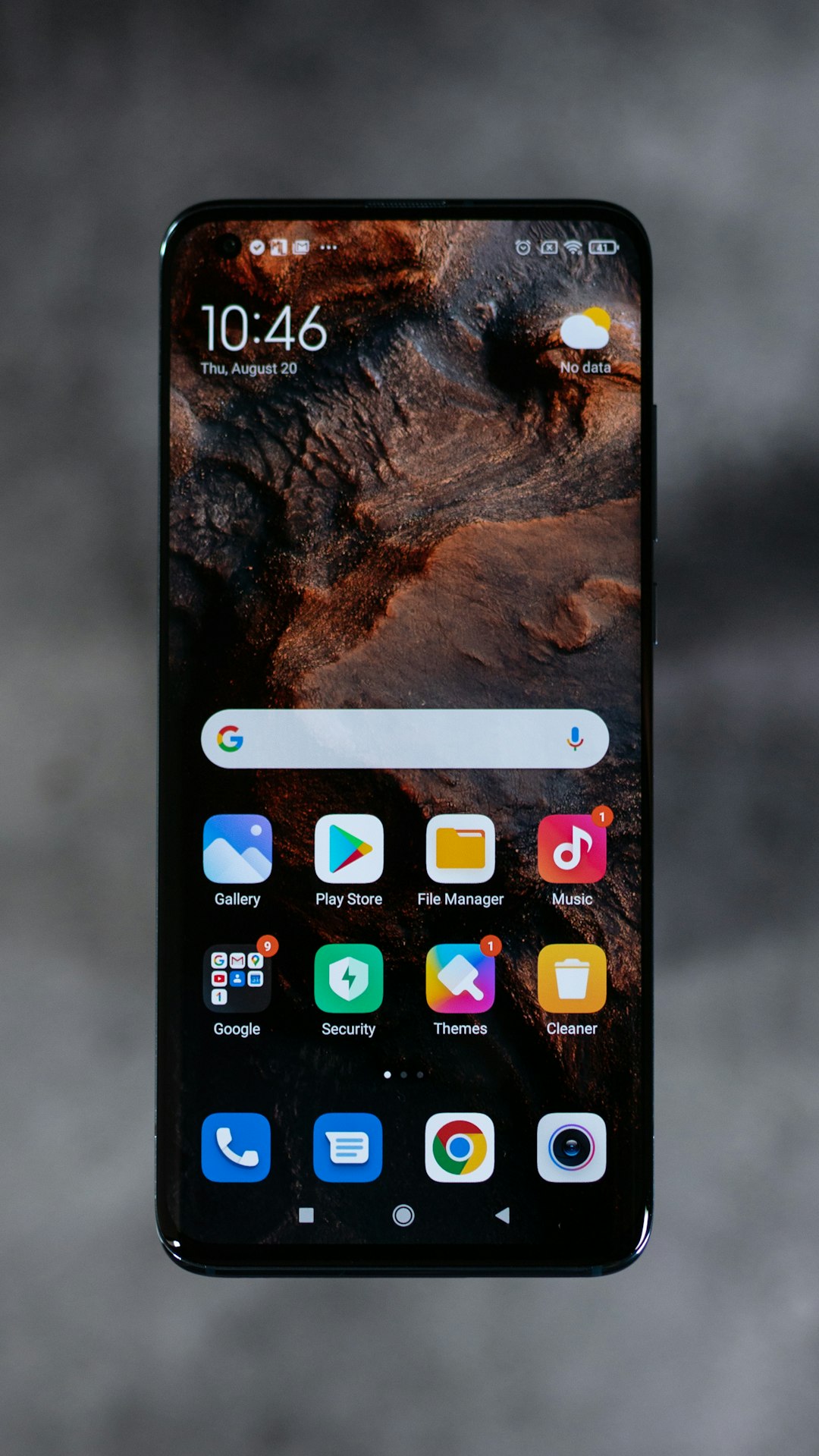
Iowa residents are protected from aggressive telemarketing by strict Do Not Call law firms regulations. They can register phone numbers online to prevent commercial calls and use top-rated call blocking apps that leverage AI to identify and filter spammers. Apps like Call Blocker Pro and NoCall offer effective solutions, but some legitimate organizations may bypass barriers due to legal loopholes. To enhance privacy, users should:
1. Customize app settings based on location and time.
2. Enable automatic call identification.
3. Regularly update personal information online.
By combining these strategies with app technology, residents reclaim control over their communication channels while adhering to the Do Not Call law firms in Iowa.
In today's digital age, residents of Iowa face an ever-growing tide of unwanted telemarketing calls, particularly from law firms. The constant interruptions can be a nuisance, leading to wasted time and frustration. However, Iowans now have a powerful tool in their arsenal: top-rated apps designed to block these calls effectively. These innovative solutions not only provide much-needed relief from persistent telemarketers but also empower individuals to take control of their communication channels. This article delves into the significance of these apps, the challenges they address, and how they are transforming the way Iowans manage their privacy and peace of mind under Iowa's Do Not Call laws.
Understanding Iowa's Do Not Call Laws for Telemarketers

Iowa's Do Not Call laws are a powerful tool for residents looking to curb unwanted telemarketing calls. The state has implemented robust regulations to protect consumers from aggressive sales tactics, ensuring a more peaceful and less intrusive phone experience. At the heart of these laws is the recognition that individuals have the right to control their communication preferences, especially when it comes to commercial solicitations.
Key aspects of Iowa's Do Not Call law include specific restrictions on telemarketing firms operating within the state. These laws mandate that businesses obtain explicit consent from residents before making telemarketing calls. Failure to adhere to this regulation can result in significant penalties for offenders, with civil fines reaching up to $1,000 per violation. Iowa's approach naturally aligns with a national trend towards strengthening consumer privacy rights, as evidenced by the Federal Trade Commission's (FTC) Do Not Call Registry, which has been instrumental in reducing unwanted calls across the country.
Practical implementation involves residents registering their phone numbers on the state's official Do Not Call list, accessible through various online platforms and local government resources. Once registered, telemarketing firms are legally obligated to refrain from initiating calls to these numbers unless they have prior consent. This process empowers Iowans to take control of their communication, blocking unwanted attention from persistent sales firms. As a result, residents can expect a reduction in the volume of unsolicited calls, providing a quieter and more enjoyable phone experience.
Top-Rated Apps to Block Unwanted Calls in Iowa

In Iowa, residents now have a powerful tool at their disposal to combat relentless telemarketers: top-rated apps designed to block unwanted calls. These applications have emerged as game-changers in the ongoing battle against invasive phone marketing, offering a simple yet effective solution that respects individual privacy and prevents nuisance calls. One particularly notable feature of these apps is their ability to recognize and filter out both known spammers and mysterious unknown callers, ensuring that Iowa residents can enjoy peace of mind while on their devices.
Among the most highly-rated options available, Call Blocker Pro stands out for its advanced AI capabilities, enabling it to learn from user interactions and adapt to new call patterns. This app not only blocks calls but also provides detailed insights into the types of callers attempting to reach residents. Similarly, NoCall is another popular choice, leveraging community-based data to identify and block telemarketing calls effectively. Users can contribute to the collective intelligence of the app by reporting unwanted calls, further enhancing its accuracy over time.
However, it's important to note that while these apps offer robust protection against telemarketers, they cannot guarantee a complete shield from all unwanted calls. Some legitimate organizations, such as law firms, may still find ways to bypass these barriers due to legal and regulatory loopholes. Nonetheless, in light of the vast number of fraudulent and nuisance calls inundating Iowa residents, these top-rated apps represent a significant step forward in reclaiming control over one's communication channels. By combining advanced technology with community engagement, Iowans can better navigate the digital landscape and ensure that their personal time remains free from intrusive marketing efforts, aligning with the state's Do Not Call law firms regulations.
How to Protect Your Privacy from Persistente Firms

Iowa residents have long faced challenges with unwanted telemarketing calls, particularly from persistent firms targeting their personal information and peace of mind. However, a growing solution has emerged in the form of top-rated apps designed to block such calls, offering a powerful tool for protecting one's privacy. These applications have become increasingly popular due to their effectiveness in shielding users from intrusive marketing efforts, especially when traditional methods like Do Not Call law firms in Iowa haven't kept pace with the digital age.
One of the key benefits of these apps is their ability to learn and adapt. Many sophisticated programs use machine learning algorithms to recognize patterns and block calls from known telemarketing numbers. For instance, a study by the Federal Trade Commission (FTC) found that over 40% of consumers reported receiving unwanted telemarketing calls, highlighting the need for robust protection. By continuously updating their databases with new call patterns and areas, these apps ensure residents stay ahead of persistent firms attempting to reach them.
To maximize privacy protection, Iowa citizens should consider downloading a reputable app and customizing its settings. This may include blocking specific types of calls based on location or time of day. Additionally, enabling automatic call identification features allows users to quickly recognize and reject calls from unknown sources. It's also advisable to regularly review and update personal information shared online, as persistent firms often gather leads through various sources. By combining these strategies with a top-rated app, Iowa residents can reclaim control over their communication channels and enjoy greater privacy in an increasingly digital world.
Effective Strategies for Avoiding Legal Troubles with Callers

Iowa residents now have a powerful tool at their disposal to combat unwanted telemarketing calls—a top-rated app designed to block these persistent intruders. As privacy becomes an increasingly valuable commodity, this innovative solution offers not just convenience but also a strategic approach to dealing with relentless callers. The key to successfully avoiding legal troubles associated with blocking such calls lies in understanding the nuances of the Do Not Call laws, particularly those specific to Iowa.
The Telephone Consumer Protection Act (TCPA) provides a framework for consumers to protect themselves from excessive or unwanted calls. In Iowa, residents can register their phone numbers on the state's Do Not Call list, a step that significantly reduces the volume of marketing calls they receive. However, it is crucial to note that certain types of calls are exempt from this list, including those from businesses with which you have an existing relationship, or non-commercial calls for emergency purposes. For instance, while blocking law firm telemarketers might be tempting, Iowa's laws do allow such calls if the firm has a prior business relationship with the resident, ensuring consumers' rights without compromising their privacy.
Expert advice suggests that residents considering app-based call blocking should familiarize themselves with the legal boundaries. Utilizing advanced features like identifying and blocking specific numbers or even entire categories of callers can be effective strategies. For example, many apps offer whitelists and blacklists, allowing users to permit or block calls from known sources. By combining these tools with a solid understanding of their rights under Iowa's Do Not Call laws, residents can efficiently manage their call volume while steering clear of any legal complications. Staying informed about evolving regulations is paramount, as technology and consumer preferences shape the ongoing battle against intrusive telemarketing practices.