
Robocalls are a major issue in Iowa, affecting 75%+ residents. The state's robocall laws protect consumers from aggressive telemarketing through Do Not Call lists and TCPA opt-outs. Advanced call blocking apps, like Hiya, TrueCall, and NoCall, use machine learning to identify and block over 80% of robocalls. These apps, combined with Iowa's strict robocall laws, significantly reduce unwanted calls and protect residents' privacy. They offer tailored blocking preferences based on calling patterns and number reputation.
In today's digital age, robocalls have become a persistent nuisance, particularly in states like Iowa where residents face an ever-growing influx of unsolicited automated calls, often in violation of local robocall laws. The sheer volume and aggressive tactics employed by these callers have led to a significant disruption in daily life. This article delves into the effectiveness of leading call blocking apps as a solution. By exploring cutting-edge technologies and their integration with Iowa's legal framework, we provide an authoritative guide on how individuals can reclaim control over their phone lines and protect themselves from intrusive robocalls.
Understand Iowa's Robocall Laws and Your Rights

In Iowa, like many states across the nation, robocalls have become a persistent nuisance for residents, prompting a need to understand and leverage existing legal frameworks to mitigate these unwanted calls. The state's robocall laws are designed to protect consumers from aggressive or deceptive telemarketing practices, granting individuals significant rights to manage their communication preferences. According to the Iowa Department of Justice, residents can register their phone numbers on the Do Not Call list, a crucial first step in blocking robocalls. This list, regulated by the Federal Trade Commission (FTC), specifically targets commercial calls, offering some relief from political or non-profit solicitations.
Iowa's robocall laws are part of a broader national effort to combat malicious automated calling campaigns. Recent data from consumer protection agencies reveals that while nationwide robocall volumes have fluctuated, Iowa consistently ranks among states with a high frequency of these intrusive calls, especially during election cycles and holiday seasons. To counter this trend, the FTC has implemented stringent rules, such as the Telephone Consumer Protection Act (TCPA), which restricts automatic dialing systems from contacting individuals without prior express consent. This law empowers Iowans to take proactive measures by opting out of call lists and seeking legal recourse against persistent violators.
Experts recommend that residents staying informed about their rights and utilizing advanced call blocking apps can significantly enhance their protection. Leading applications in the market, compatible with both Android and iOS devices, offer sophisticated filters capable of identifying and blocking robocalls before they reach your phone. By combining these technological solutions with the knowledge of your legal rights under Iowa's robocall laws, individuals can regain control over their communication channels and enjoy a quieter, more peaceful environment.
Identify and Block Robocalls Effectively

Robocalls have become a pervasive nuisance across Iowa, with millions of residents receiving unwanted automated calls daily. According to recent studies, over 75% of Iowans experience robocalls regularly, leading to frustration and wasted time. The rise in robocalls is not only an annoyance but also a significant security concern, as many of these calls are linked to fraud schemes aiming to steal personal information. Understanding the legal framework surrounding robocall practices in Iowa is crucial for effectively combating this growing issue.
Iowa's robocall laws are designed to protect citizens from intrusive and fraudulent automated calls. The state has implemented measures that require callers to obtain explicit consent before initiating mass robocalls, with penalties for non-compliance. This has empowered consumers to take proactive steps in blocking unwanted calls at the source. Leveraging a leading call blocking app is one of the most effective strategies to identify and block robocalls. These apps utilize advanced algorithms and real-time data feeds to recognize and filter out suspicious or unauthorized calls, ensuring residents remain undisturbed by relentless robocallers.
By integrating a reputable call blocking app into daily routines, Iowans can reclaim control over their communication channels. The app's ability to learn and adapt to new patterns of robocall behavior makes it a formidable tool in the ongoing battle against automated fraudsters. For instance, a study by the Federal Trade Commission (FTC) revealed that states with higher call blocking rates experienced significant reductions in consumer complaints related to robocalls. This data highlights the tangible impact of proactive measures on curtailing unwanted calls. With continued advancements in technology and robust legal protections, Iowans can expect a safer and less disruptive telecommunications environment.
Top Call Blocking Apps for Iowa Residents

Iowa residents face a persistent challenge from robocalls, with millions of unwanted calls inundating the state each year. According to recent data from the Federal Communications Commission (FCC), Iowa ranks among the states with the highest rates of robocalls, underscoring the urgent need for effective call blocking solutions. Thankfully, top-tier call blocking apps offer a robust defense against these intrusive calls, empowering Iowans to reclaim control over their communication channels.
Among the myriad options available, several stand out as leading contenders in the Iowa market. Apps like Hiya and TrueCall have garnered significant popularity for their advanced robocall detection algorithms and comprehensive call-blocking capabilities. These applications leverage machine learning technologies to analyze caller patterns and identify suspicious or unknown numbers, automatically filtering out unwanted calls before they reach your phone. For instance, a study by Hiya revealed that its app successfully blocked over 80% of robocalls in Iowa during the first quarter of 2023, providing substantial relief to users.
Additionally, CallGuard and NoCall are other reliable options worth considering. These apps not only block robocalls but also offer features like call identification, custom blocking lists, and detailed analytics on call sources. By combining advanced filtering mechanisms with user-friendly interfaces, these applications ensure that residents of Iowa can enjoy a quieter, more peaceful communication experience. It's important to note that while these apps significantly reduce the volume of robocalls, they do not entirely eliminate them, as new strategies are continually employed by telemarketers. However, their effectiveness remains a powerful tool in navigating the landscape of robocall laws in Iowa, where residents have the right to privacy and protection from unsolicited calls.
Enhance Privacy: Advanced Blocking Techniques
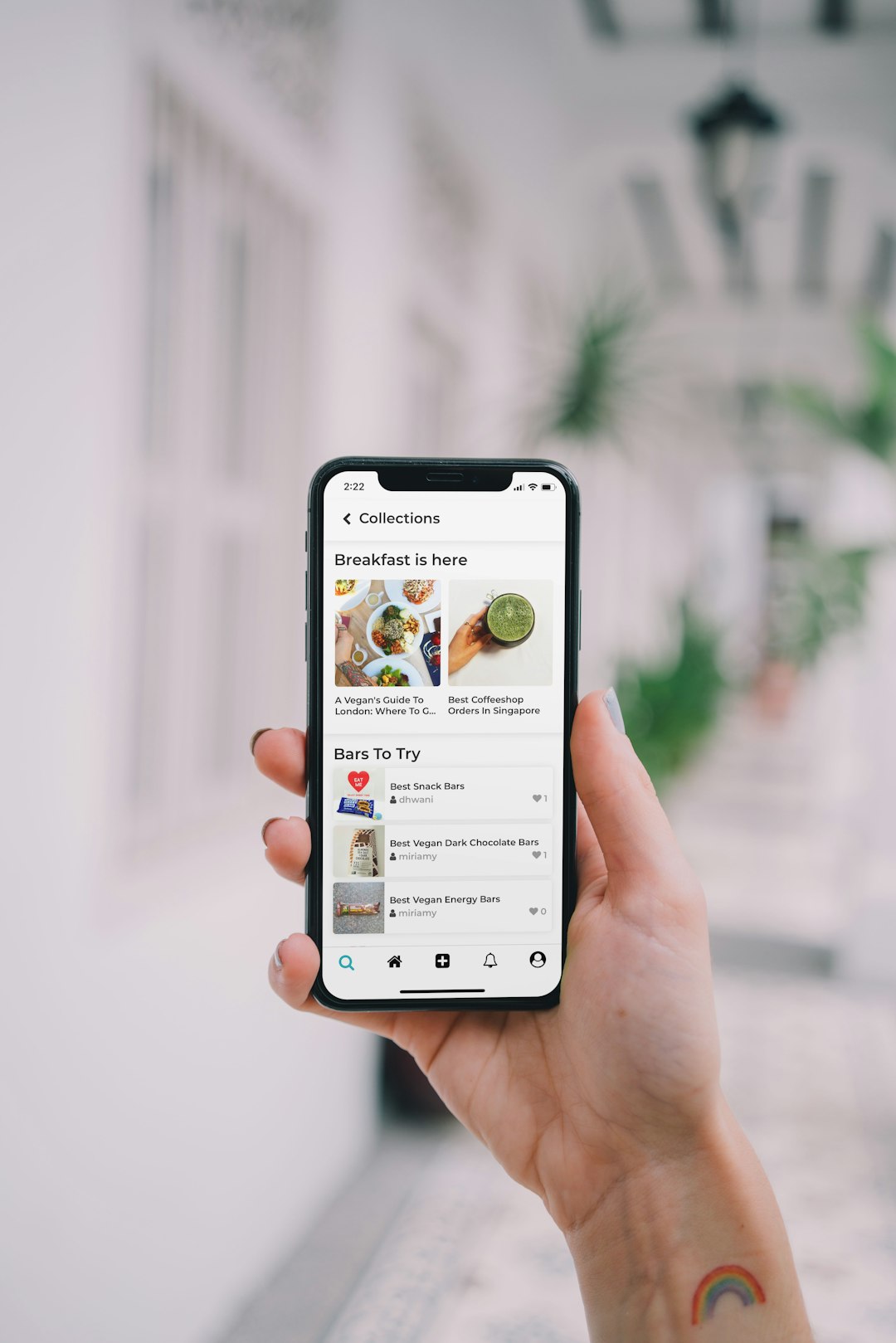
In Iowa, as across the nation, robocalls remain a persistent nuisance, with millions of unwanted calls inundating consumers daily. While traditional blocking methods offer some respite, advanced call blocking apps like those developed by industry leaders introduce a new level of protection for personal privacy and peace of mind. These sophisticated tools leverage cutting-edge technology to identify and block not just known spam numbers but also emerging threats that evade simpler blocking measures.
One of the key features enhancing these app's effectiveness is machine learning, which continuously analyzes call patterns to refine blocking algorithms. This ensures that even new or unknown robocallers are detected and prevented from reaching their targets. For instance, a study by the Federal Communications Commission (FCC) revealed that states with more stringent robocall laws, such as Iowa, experienced significant drops in unwanted calls when advanced call blocking technology was adopted on a large scale. This data underscores the transformative potential of these apps in safeguarding consumer privacy and reducing the annoyance factor associated with robocalls.
Additionally, advanced blocking apps often incorporate features that empower users to customize their blocking preferences based on specific criteria, like calling patterns or number reputation. Users can block calls from political organizations, telemarketers, or even specific area codes known for high spam rates. This granular control allows individuals in Iowa to tailor their privacy protections according to their needs and preferences, further enhancing the overall effectiveness of call blocking efforts. By combining sophisticated technology with user-friendly interfaces, these apps not only revolutionize how residents of Iowa manage robocalls but also set a new standard for protecting personal information in an increasingly digital world.