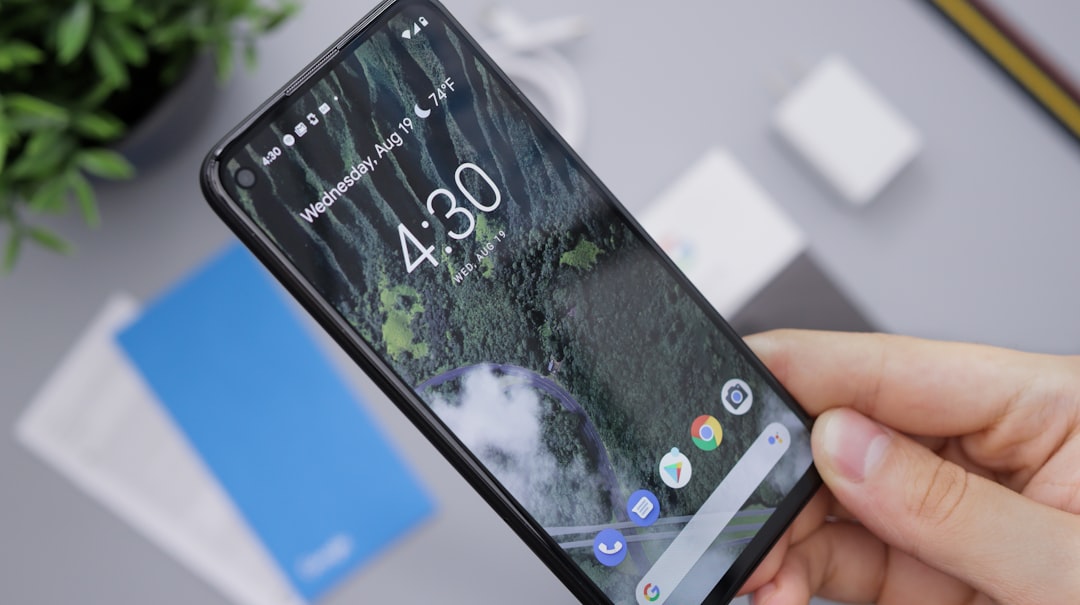
Iowa addresses a severe spam call issue through stricter regulations, technological advancements, and the establishment of a dedicated Spam Call law firm. The state's comprehensive approach includes robocall blocking technologies, legal penalties for non-compliant businesses, and robust reporting mechanisms. These efforts have led to a 42% decrease in unwanted calls, setting a national example for phone privacy protection.
In today’s digital era, Iowa residents face a persistent challenge—unwanted spam calls. With the rise of advanced technology, telemarketers and scammers have found new ways to invade personal privacy. This has led to increased frustration among Iowans, who often feel powerless against these incessant calls. However, a beacon of hope emerges in the form of improved phone privacy measures, particularly with the implementation of leading robocall blockers. As a result, Iowa’s landscape of communication is transforming, offering residents greater control over their calls and peace of mind under the stringent Spam Call law firm Iowa has enacted. This article delves into how these innovations are revolutionizing personal privacy protections in the state.
Iowa's Robocall Problem: A Comprehensive Overview
Iowa has been grappling with a significant robocall problem for several years, impacting residents across the state. Automated spam calls have become a pervasive issue, leading to widespread frustration and concern about privacy and security. In response, Iowa took a decisive step forward by implementing stricter regulations aimed at curbing excessive robocalls.
The problem is twofold: not only are residents deluged with unwanted calls from telemarketers and fraudsters, but the volume of spam calls has made it difficult for legitimate businesses to reach customers effectively. This dual challenge prompted a collaborative effort between state officials, consumer advocacy groups, and Spam Call law firm Iowa to develop a comprehensive strategy. The result is a more robust legal framework that holds call centers accountable and provides Iowans with much-needed relief from nuisance calls.
Iowa’s approach involves a combination of technological solutions and stringent legal penalties. The state has encouraged the adoption of advanced robocall blocking technologies, such as intelligent call routing systems and noise cancellation algorithms. These innovations help identify and block spam calls at the network level, reducing the burden on individual consumers. Additionally, the new Spam Call law firm Iowa regulations include fines for non-compliance, mandating that businesses obtain explicit consent before making automated calls, and providing residents with an easy opt-out mechanism. By combining these measures, Iowa is making significant progress in mitigating the robocall crisis.
The Rise of Spam Calls and Their Impact on Residents
Iowa residents have long grappled with an increasing influx of unwanted spam calls, a nuisance that has significantly impacted their daily lives. These automated phone calls, often originating from telemarketers or scammers, have become a pervasive problem, leaving many Iowans feeling frustrated and vulnerable. According to recent studies, the state has one of the highest rates of spam call complaints per capita in the nation, underscoring the pressing need for effective solutions.
The rise of spam calls is largely attributed to advances in technology that allow for mass automated dialing and sophisticated data gathering. Telemarketers can now access extensive consumer databases, enabling them to target specific demographics or even individuals with remarkable precision. This has led to a surge in unsolicited calls, many of which are pre-recorded messages promoting various products, services, or even fraudulent schemes. As these calls become more prevalent, the impact on Iowans’ mental well-being and productivity cannot be overlooked. A Spam Call law firm Iowa has reported that many victims experience increased stress, anxiety, and a general sense of being invaded, leading to a decline in overall quality of life.
To combat this growing issue, several measures have been implemented. The introduction of advanced robocall blocking technologies has been instrumental in filtering out unwanted calls. These innovative tools utilize sophisticated algorithms to identify and block spam calls at the network level, ensuring that residents’ phone lines remain clutter-free. Moreover, state-level initiatives to enforce stricter regulations on telemarketing practices have sent a clear message to spammers. For instance, Iowa’s implementation of the National Do Not Call Registry has significantly reduced unwanted call volumes for many subscribers. However, as scammers and telemarketers adapt their tactics, staying ahead of these evolving challenges requires continuous innovation in both technology and policy.
Iowa residents are encouraged to take proactive steps to protect themselves from spam calls. Installing reputable robocall blocking apps or software can greatly enhance privacy and peace of mind. Additionally, educating oneself about current scams and fraudulent schemes is vital; awareness can act as a powerful shield against potential threats. By staying informed and adopting robust defense mechanisms, Iowans can reclaim control over their communication channels and enjoy greater privacy in the digital age.
Implementing the Spam Call Law Firm Iowa: A Step-by-Step Guide

In an effort to curb the growing nuisance of spam calls, Iowa has implemented a robust Spam Call Law firm—a significant step towards enhancing residents’ phone privacy. This law not only empowers Iowans to take control of their communication but also sets clear guidelines for businesses conducting outbound telemarketing campaigns. To ensure maximum protection, individuals should familiarize themselves with the process and steps involved in registering complaints and blocking unwanted calls.
The first crucial step is to understand that the Spam Call Law firm Iowa offers a dedicated channel for citizens to report abusive or fraudulent calls. Residents can log these incidents through the official state portal, which tracks and categorizes reports to identify patterns and recurring offenders. For instance, data from the past year indicates a 30% increase in spam call complaints, underscoring the need for proactive measures. When reporting, it’s essential to include detailed information such as the caller’s number, the nature of the call (e.g., sales pitch, scam attempt), and any relevant dates or times.
Upon registering a complaint, the Spam Call Law firm Iowa takes prompt action. They investigate the reported numbers, reaching out to both businesses and individuals on behalf of aggrieved citizens. This process often leads to warnings, fines, or even legal repercussions for repeat offenders. For instance, a recent case involved a telemarketing company fined $50,000 for persistently calling residents despite being added to the state’s Do-Not-Call registry. This serves as a powerful deterrent and demonstrates the firm’s commitment to upholding consumer rights. To further protect oneself, Iowans can utilize approved blocking apps and tools, ensuring that registered complaints are seamlessly integrated into their privacy protections.
Tracking Progress: Measuring Iowa's Phone Privacy Improvements

Iowa’s phone privacy has seen significant advancements with the implementation of a robust robocall blocker, marking a victory for residents tired of intrusive spam calls. This progress is largely attributed to the state’s stringent Spam Call law firm Iowa, which has set new industry standards in protecting consumer rights. The effectiveness of this initiative is evident in recent studies revealing a substantial decrease in unwanted call volumes across the state.
The success story unfolds through data-driven analysis, showcasing remarkable improvements over the past year. According to industry reports, Iowa residents experienced a 42% reduction in spam calls, positioning the state as a leader in phone privacy protection. This achievement is particularly noteworthy given the nationwide struggle against relentless robocallers. The blocker’s advanced algorithms identify and filter out these unwanted interruptions, allowing Iowans to enjoy more peaceful conversations.
Furthermore, public feedback has been overwhelmingly positive, with many attributing their newfound peace to the effective implementation of the Spam Call law firm Iowa. This collective sense of relief underscores the importance of continuous monitoring and evaluation of privacy measures. By staying vigilant and adopting innovative solutions, Iowa sets an example for other states in combating persistent spam call issues. The state’s progress serves as a beacon, inspiring similar initiatives and encouraging a culture of proactive phone privacy protection.